Closing Ceremony of the Third China Science and Technology Ethics Forum
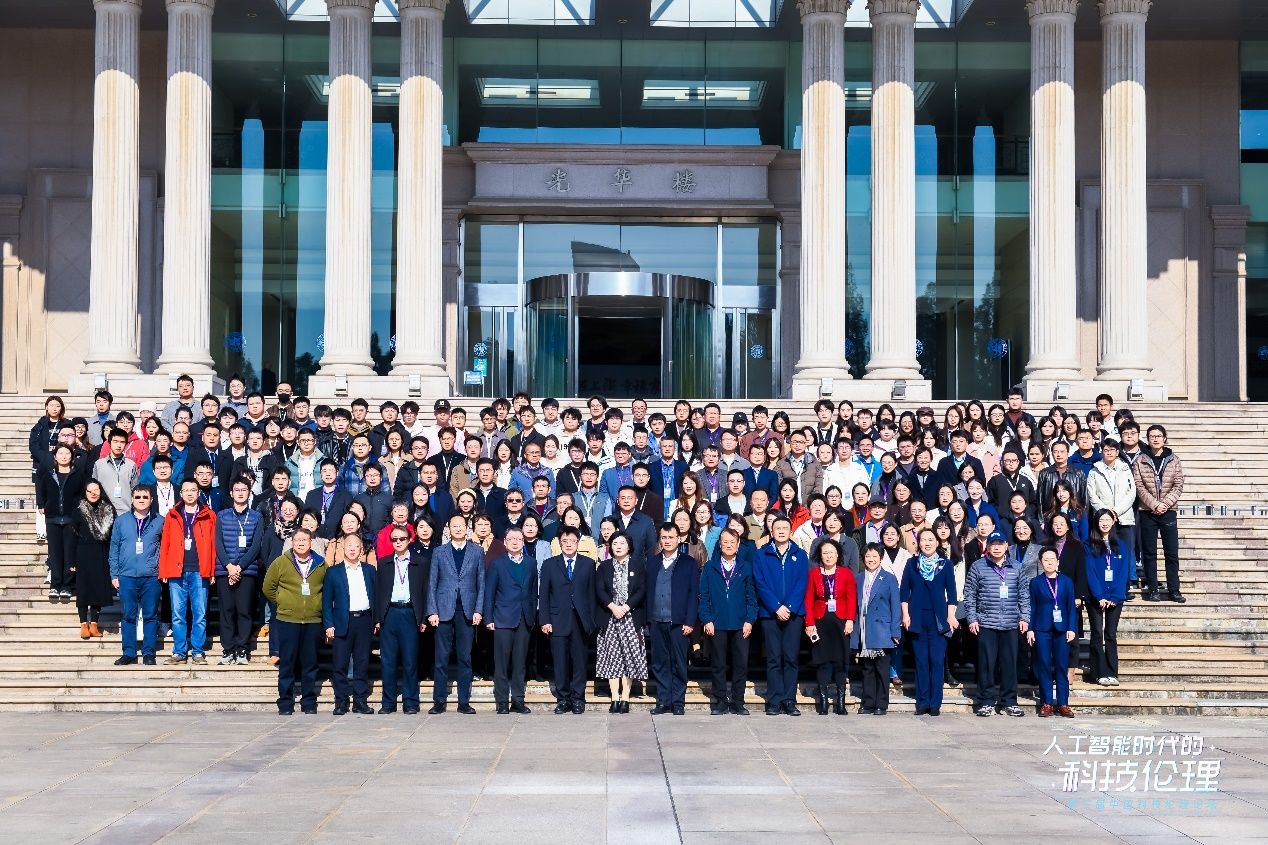
On the afternoon of November 22, 2025, the Third China Forum on Ethics of Science and Technology successfully concluded at the Lecture Hall of Shaw Science Building of Fudan University. The Forum brought together numerous distinguished scholars and experts from the China Association for Science and Technology(CAST)as well as leading domestic and international universities and research institutions, who continued in-depth discussions on science and technology ethics in the era of artificial intelligence.
The keynote speech was moderated by Professor Li Lun from Hunan Normal University. Four speakers delivered presentations on relevant topics: Professor Zhai Xiaomei from Peking Union Medical College, Professor Gu Tianlong from Jinan University, Professor Zhou Cheng from Peking University, and Professor Wang Jinlin from Fudan University.

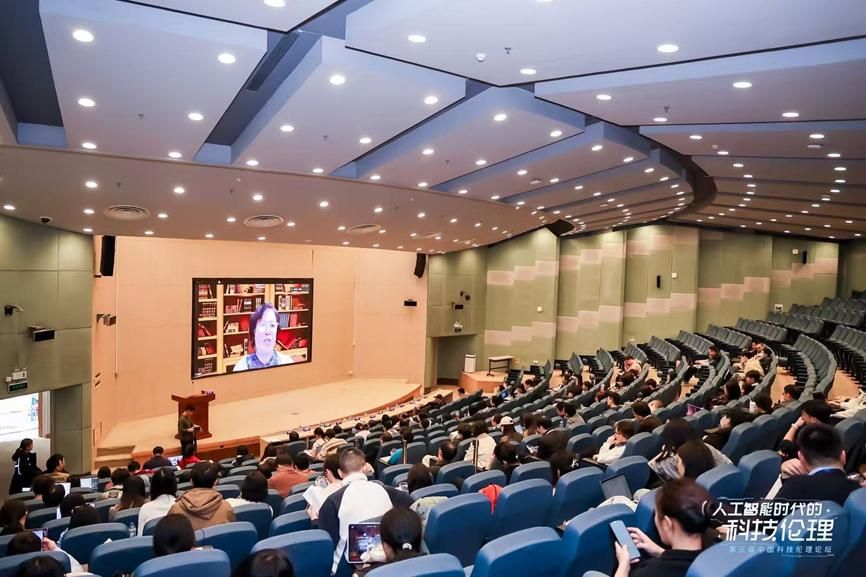
In her online presentation, Professor Zhai Xiaomei pointed out that while the application of artificial intelligence in the medical field can significantly advance the shift towards proactive prevention and data-driven decision making, it is accompanied by corresponding ethical risks. She argued that the use of AI in healthcare scenarios presents three key governance challenges: the difficulty of protecting sensitive health data privacy, the predicament of human-AI value alignment, and the inadequacy of existing informed consent frameworks.
To address these challenges, she proposed that philosophical alignment should serve as the foundational logic for defining human-AI coexistence. This should be coupled with establishing dynamic data protection mechanisms, ultimately building a system that synergizes law and ethics. Guided by this principle, it becomes possible to embrace technological advancement while ensuring the steadfast protection of human values and dignity.
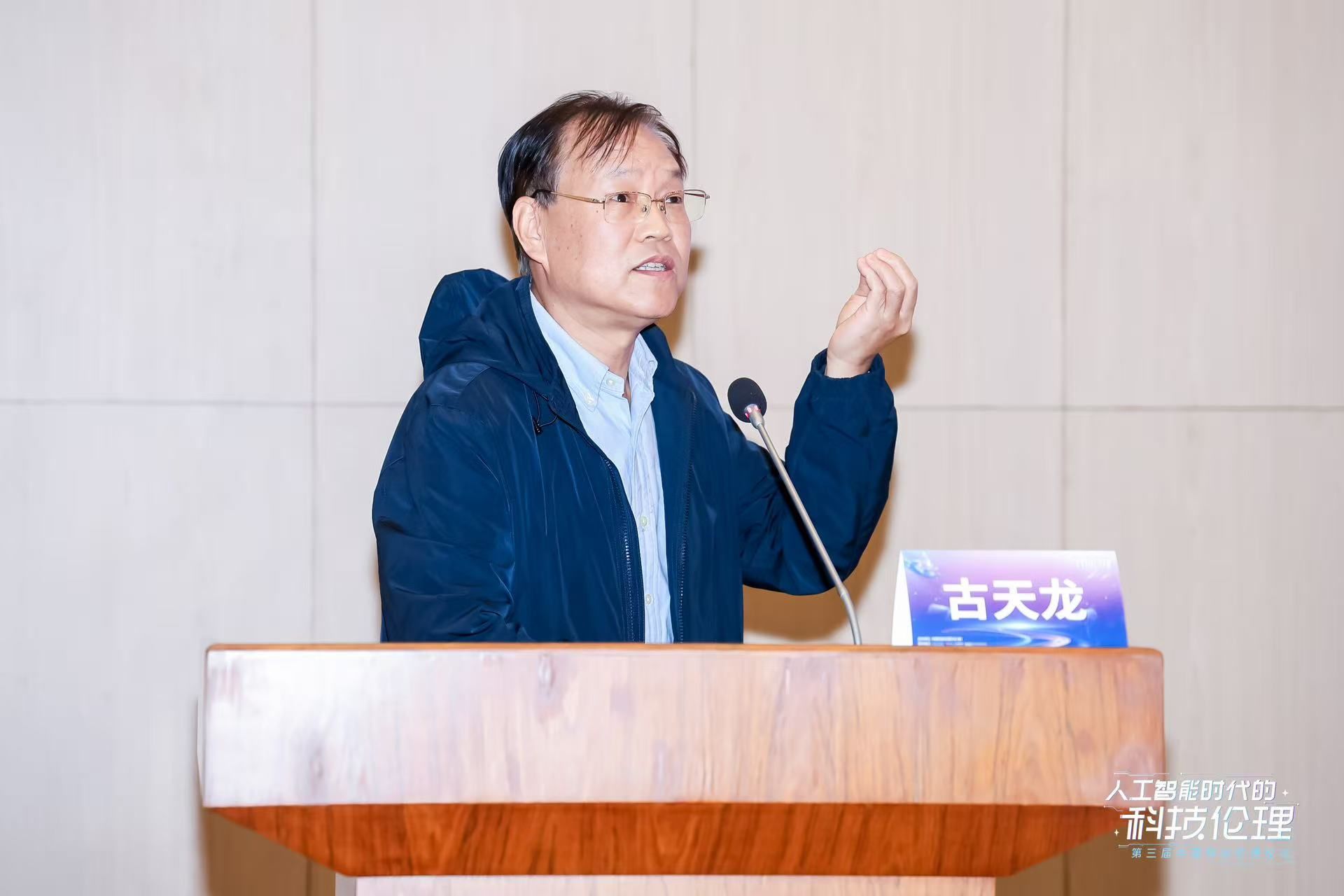
Professor Gu Tianlong emphasized that while Artificial Intelligence Generated Content (AIGC) is developing rapidly, it harbors multiple ethical risks which must be addressed through deliberate technical design. He highlighted a spectrum of ethical challenges, encompassing concrete risks like misinformation, harmful content, and privacy breaches, as well as systemic issues of accountability and value alignment, all necessitate a foundation in technical design to build a forward-looking governance framework for their resolution. Professor Gu elaborated on specific technical pathways to achieve this, including employing bias mitigation techniques to ensure algorithmic fairness, leveraging privacy-preserving technologies to safeguard data security, and utilizing data provenance methods to guarantee accountability. He stressed the critical importance of deeply embedding ethical requirements into the very architecture of AIGC systems. Based on this analysis, he issued a call to action for a collective effort to steer AI for good, ensuring that AIGC technology evolves in a direction that benefits humanity.
Professor Zhou Cheng identified the clinical application of invasive brain-computer interfaces (BCIs) as facing severe ethical challenges arising from the limitations of traditional informed consent frameworks. He emphasized that the high invasiveness and long-term dependency inherent in invasive BCI technology constitute non-traditional ethical risks, such as neural privacy breaches and identity disruption, which significantly complicate patient decision-making.
In proposing a solution, Professor Zhou proposed the construction of a dynamic informed consent process. This can be achieved through implementing tiered consent with special disclosure mechanisms, introducing independent third-party advisors, and establishing long-term follow-up relationships. These measures are essential to strengthen the protection of patient autonomy, thereby laying a solid ethical foundation for this disruptive technology to progress toward safe and standardized clinical practice.

Professor Wang Jinlin observed that the artificial intelligence sector is experiencing an unprecedented investment boom, which may conceal underlying industry bubbles and adverse environmental impacts. Through the conceptual framework of the "AI Entropy Paradox", he clearly demonstrated that while AI systems advance in intelligence, their substantial energy consumption and carbon emissions simultaneously intensify environmental burdens—revealing a fundamental contradiction between intelligent advancement and energy sustainability.
In response, Professor Wang introduced the concept of "Entropy Efficiency" , advocating for the maximization of AI's socio-economic value per unit of energy consumed. He further called for the integration of energy consumption assessments into AI ethical governance frameworks, proposing this as a critical pathway toward sustainable technological development.

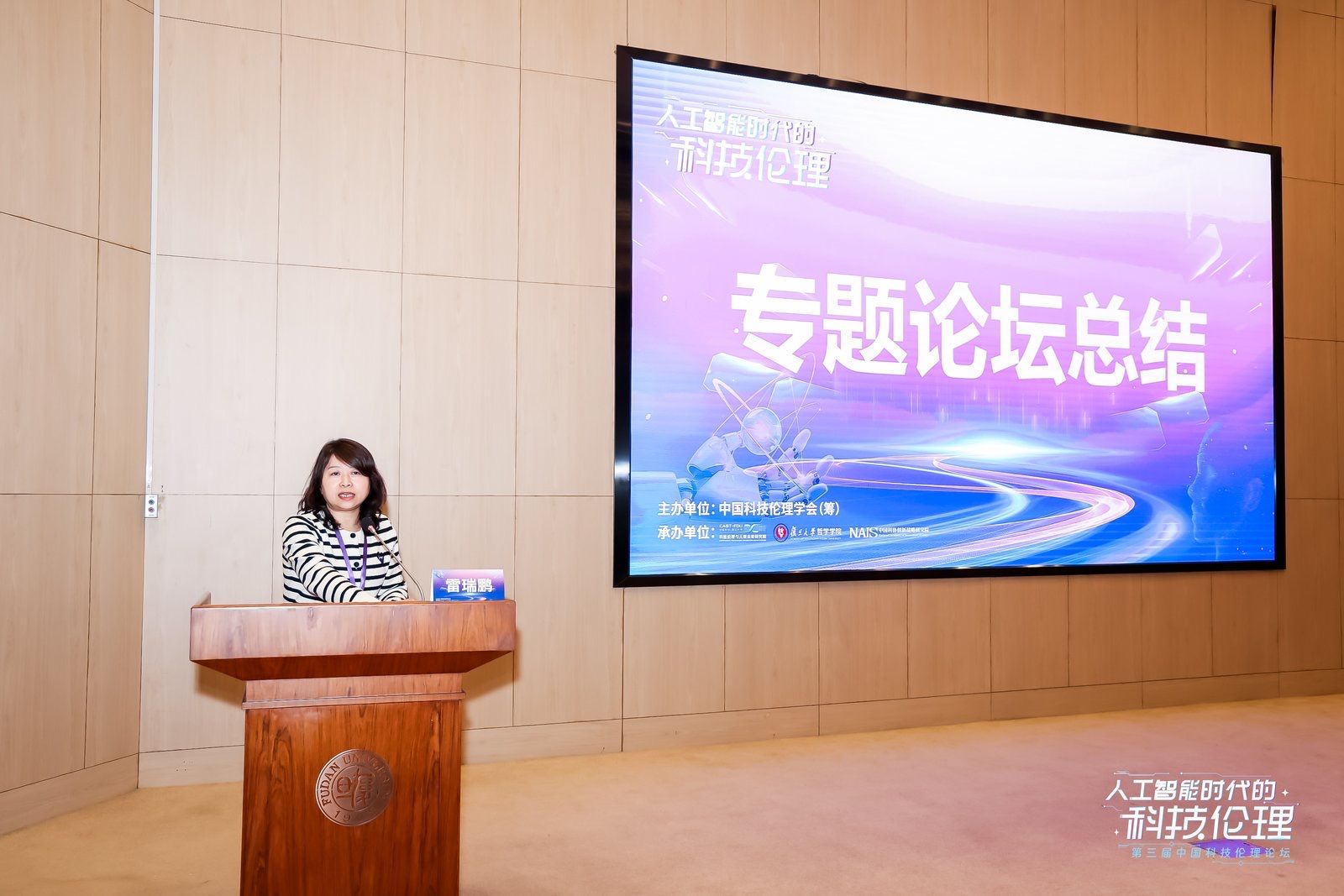
Following the keynote speech, Professor Lei Ruipeng from the University of Electronic Science and Technology of China presided over the concluding session of the thematic forum. Six distinguished scholars—including Associate Professor Ma Yonghui, Director of the Center for Biomedical Ethics at Xiamen University School of Medicine; Researcher Fang Zhengyu from Shenzhen Peking University-The Hong Kong University of Science and Technology Medical Center; Professor Chen Jinhua, Dean of the School of Politics and Public Administration at Suzhou University; Professor Fang Hongqing from Shanghai University of Finance and Economics; Professor Li Lun, Director of the Institute for AI Moral Decision-Making at Hunan Normal University; and Professor Zhao Sujin, Dean of the School of Marxism at Nanjing University of the Arts—delivered succinct summaries of the thematic reports and intellectual exchanges from the previous day's sub-forums centered around the core themes. They highly commended the exceptional quality of presentations, depth of participant engagement, and intellectual stimulation generated throughout the proceedings. The synthesis of these thematic reports and intellectual exchanges provided all participants with a systematically organized comprehension of the conference's core discussions and an expanded framework for understanding this evolving field.
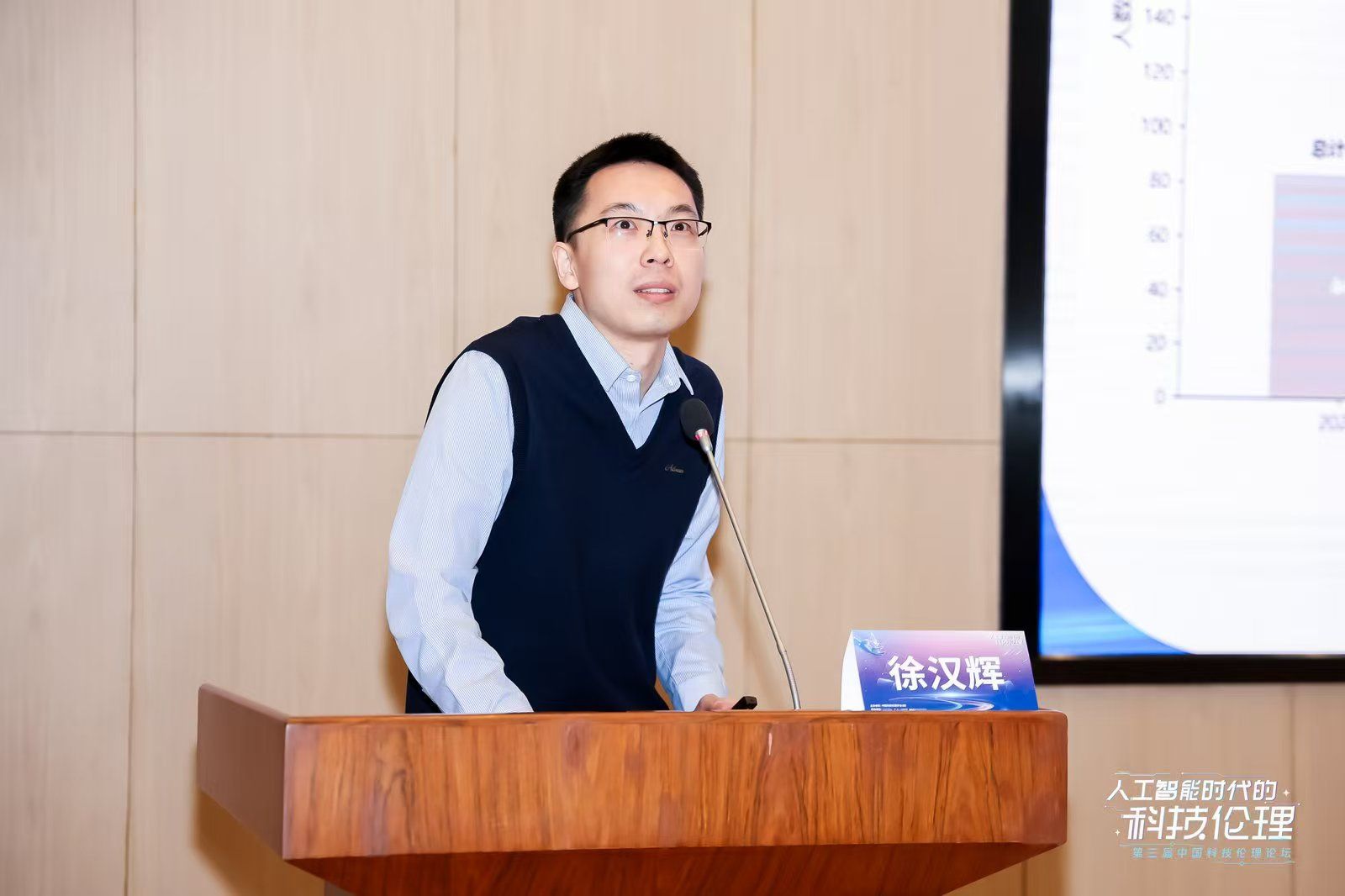
Following this session, Young Investigator Xu Hanhui from FDU Institute of Technology Ethics for Human Future delivered a summary of the student salon activities. Based on a data-driven analysis, he affirmed the academic quality and thematic diversity demonstrated in this year's student presentations. Furthermore, he provided three concrete recommendations derived from his observations: enhancing presentation clarity, improving literature review methodologies, and diversifying research approaches.
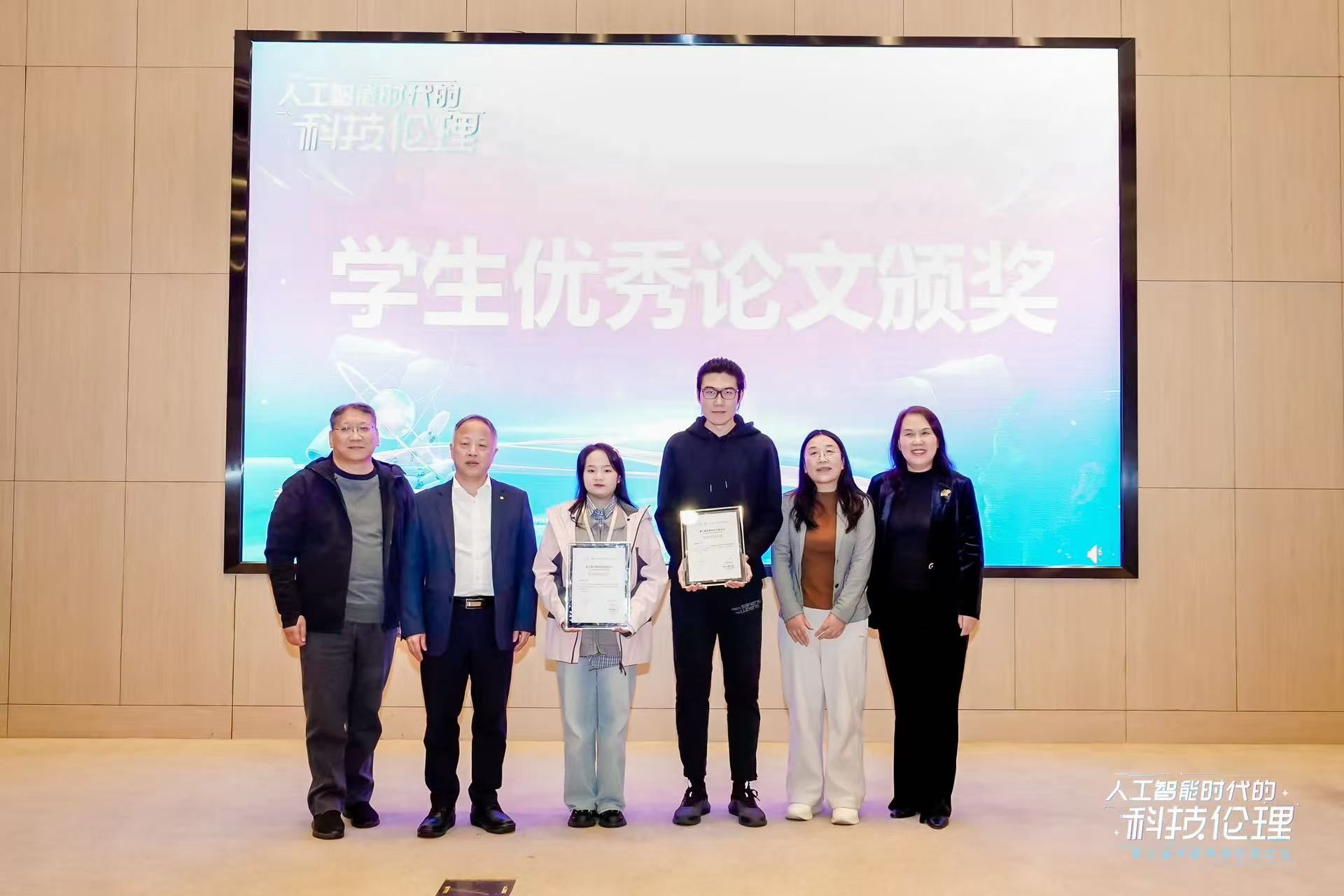
The forum's closing ceremony was presided over by Professor Yuan Xin, Party Secretary of the School of Philosophy at Fudan University. Professor Fu Changzhen of East China Normal University, serving as the chair of the forum's paper review committee, announced the list of outstanding student paper awards and extended her congratulations and recognition to the honorees. Professor Wang Jinlin and Associate Professor Sun Bingxin, Deputy Party Secretary of the School of Philosophy at Fudan University, presented the honorary certificates to the awarded students.
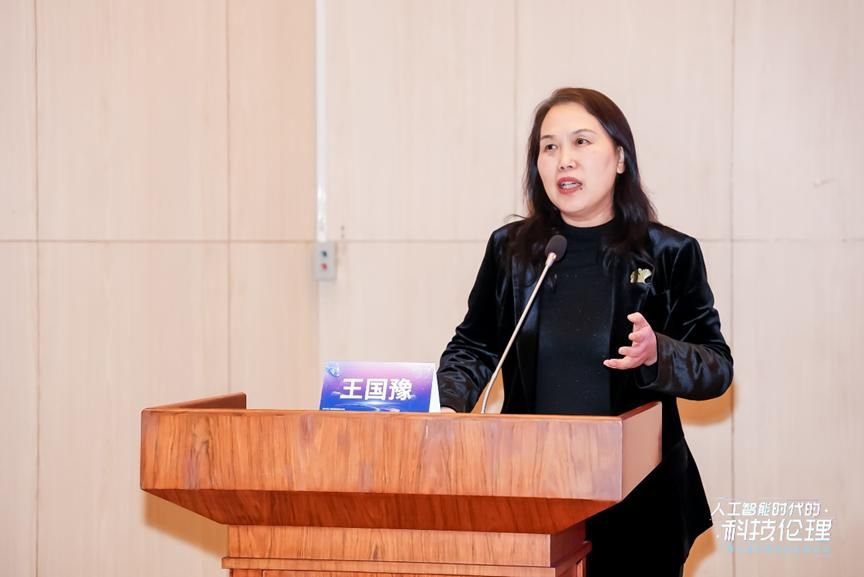
Finally, Professor Wang Guoyu, Dean of FDU Institute of Technology Ethics for Human Future, delivered the concluding address for the forum. She expressed her sincere gratitude to all the scholars, experts, distinguished guests, and staff members whose dedicated efforts had been instrumental to the forum's success. Additionally, she expressed her hope that all participants had benefited from the forum's discussions, extending her best wishes for their future collaborative efforts in advancing the cause of science and technology ethics in China.
The forum focused on the numerous ethical opportunities and challenges arising from current artificial intelligence practices, providing a valuable platform for scholars to exchange ideas and foster collaboration. It served as a catalyst for professionals across relevant fields to join forces in deepening the exploration and promoting solutions for pressing issues in science and technology ethics. This collective effort aims to contribute to the development of a science and technology ethics framework that embodies both Chinese characteristics and a global vision.